
Relocating to Switzerland involves more administrative steps than most people expect, and the order in which you complete them matters. Miss the commune registration window, and your residence process stalls. Miss the health insurance deadline, and you face a late-enrollment supplement. This checklist walks through every step in the sequence you will actually encounter it, with enough Swiss-specific detail to avoid the vague, generic advice found on most international relocation sites. Where a step is complex enough to go wrong easily, particularly health insurance and pension paperwork, Expat Services Switzerland personally handles it for our clients rather than simply describing it, so you are never working through the harder items alone.
Whether you are a single professional starting a new role, a family of four relocating together, or a couple settling in Switzerland for the long term, the underlying worry is the same: too many unfamiliar steps, and the fear that missing one will cause a costly problem later. This guide is built to remove that worry, step by step.
Non-EU and non-EFTA nationals generally need a permit arranged through their employer before entry, while EU and EFTA nationals can typically enter and register locally. Either way, do not sign a lease before you have clarity on your permit category, since some cantons require proof of address before permit issuance and others require the reverse. For the housing search itself, expect to provide a debt collection extract (Betreibungsauskunft), proof of income, and references from a previous landlord for most rental applications, even before you have a Swiss address of your own. Many newcomers arrange short-term accommodation for the first four to six weeks and use that period to view apartments in person, since competitive listings are often filled within days.
This step, known as the Anmeldung, is the foundation for almost everything that follows: your health insurance enrollment, your tax registration, and often your ability to open certain bank accounts all reference your registered address. It is worth treating this as the first task on your list, not something to fit in later. Some cantons process the appointment on the spot, while others ask you to return for the physical permit card a few weeks later, so it is worth asking directly what to expect at your specific commune rather than assuming the process is identical everywhere in Switzerland.
Because choosing the right insurer, model, and deductible involves genuine trade-offs specific to your canton and age bracket, we cover this in full depth in our dedicated guide, Best Health Insurance in Switzerland, rather than repeating the comparison here. It is also worth deciding early whether you want supplementary (VVG) insurance for things such as alternative medicine, dental accidents, or a semi-private or private hospital ward, since applications for supplementary cover typically involve health questions and are easier to arrange before any health issue arises. What is worth stating plainly in this checklist is that Expat Services Switzerland does not just explain these choices: we personally handle the comparison, the enrollment, and the ongoing correspondence with your insurer, so health insurance is one item on this list you genuinely do not have to manage yourself.
I want you to handle my health insurance for me!
Most newcomers find that opening an account takes longer than expected if the commune registration is not yet finalised, which is another reason to complete the Anmeldung as early as possible. Digital-first options such as Neon or Yuh have become popular alongside the traditional banks, particularly for straightforward day-to-day banking, though a traditional bank relationship is still often useful once you need a mortgage, an investment account, or other more complex financial products later on.
The Serafe registration usually happens automatically once your commune registration is processed, but it is worth confirming rather than assuming, since the fee applies per household, not per device, and shared apartments sometimes see billing questions if the registration lags behind an actual move-in date.
Finding a doctor you are comfortable with early on, before you actually need one, removes one more source of stress from your first months in the country. Pharmacies (Apotheke) are also a genuinely useful first stop for minor complaints, since Swiss pharmacists are trained to advise directly and can often save you an unnecessary doctor's appointment altogether.
Source tax and payroll rules can vary meaningfully by canton and by your specific employment situation, including for ANobAG cases where an employee works for a foreign employer without a Swiss payroll presence and must therefore handle their own social security and pension contributions. Above a certain income threshold, which also varies by canton, you may be required to file an ordinary tax return in addition to the source tax already deducted, so it is worth clarifying your status in your first weeks rather than at the end of the tax year. This is squarely the kind of question our sister company, Zürcher Treuhand, handles daily for clients across all three of our companies, so it is worth asking early rather than guessing.
I want to get my tax situation clarified!
Rules and timelines vary by canton and by country of origin, so it is worth confirming the specifics with your cantonal road traffic office rather than relying on a country-general summary.
Public schooling in Switzerland is generally high quality and free, and for many relocating families it becomes the more practical choice once they see the strong cantonal integration support that comes with it, including dedicated language integration classes for children who do not yet speak the local language. International and bilingual schools remain a strong option for families expecting a shorter stay or wanting continuity with a curriculum from their home country, though tuition and waiting lists should both be factored into your planning timeline.
These last items are easy to overlook, but they are exactly the kind of small, practical detail that separates a smooth first few months from a frustrating one.
Reading a checklist is a good start, but several of these steps involve decisions that a general guide cannot make for you: which insurance model actually fits your situation, whether your specific employment setup triggers source tax questions, or how your pension arrangements should look if you are relocating long term. This is exactly where Expat Services Switzerland goes further than a checklist ever can.
We do not just describe these steps, we personally handle the ones that matter most. On a free, no-obligation video call, we walk through your specific situation, help you understand which items on this list genuinely need professional input, and take over the health insurance comparison, enrollment, and insurer correspondence on your behalf. For anything touching payroll, tax, or company matters, our colleagues at Zürcher Treuhand are part of the same client relationship, so you are not passed between unrelated providers. The goal is simple: fewer steps you have to manage entirely alone, and more of your relocation handled by people who do this every day.
What is the very first thing I should do after arriving in Switzerland? Register at your local commune (the Anmeldung), generally within fourteen days of arrival, since almost every other administrative step depends on this registration.
How long do I have to get health insurance in Switzerland? You generally need to enrol in basic health insurance (KVG) within three months of establishing residency, and coverage can typically be backdated to your arrival date if you enrol within that window.
Do I need a Swiss driving licence immediately? No. Most cantons allow you to drive on a foreign licence for up to twelve months after registration, though whether you can convert it without a new test depends on your country of origin.
Is Swiss public school a good option for expat children? Yes, for many families. Public schools are free, generally high quality, and offer strong integration support, though international and bilingual schools remain a common choice for families who prioritise continuity with a specific curriculum.
Do I need household contents and liability insurance? Neither is legally required, but both are considered standard practice in Switzerland, and liability insurance in particular is often expected by landlords.
Can Expat Services Switzerland help with more than just insurance? Yes. Alongside health insurance enrollment, we support clients with pension and other relocation paperwork, and work alongside our sister company Zürcher Treuhand for payroll, tax, and company-related questions.
If you would rather have someone walk through this checklist with you and take the harder items off your plate, book a free video call with Expat Services Switzerland. We will go through your specific situation together and handle what we can directly for you.
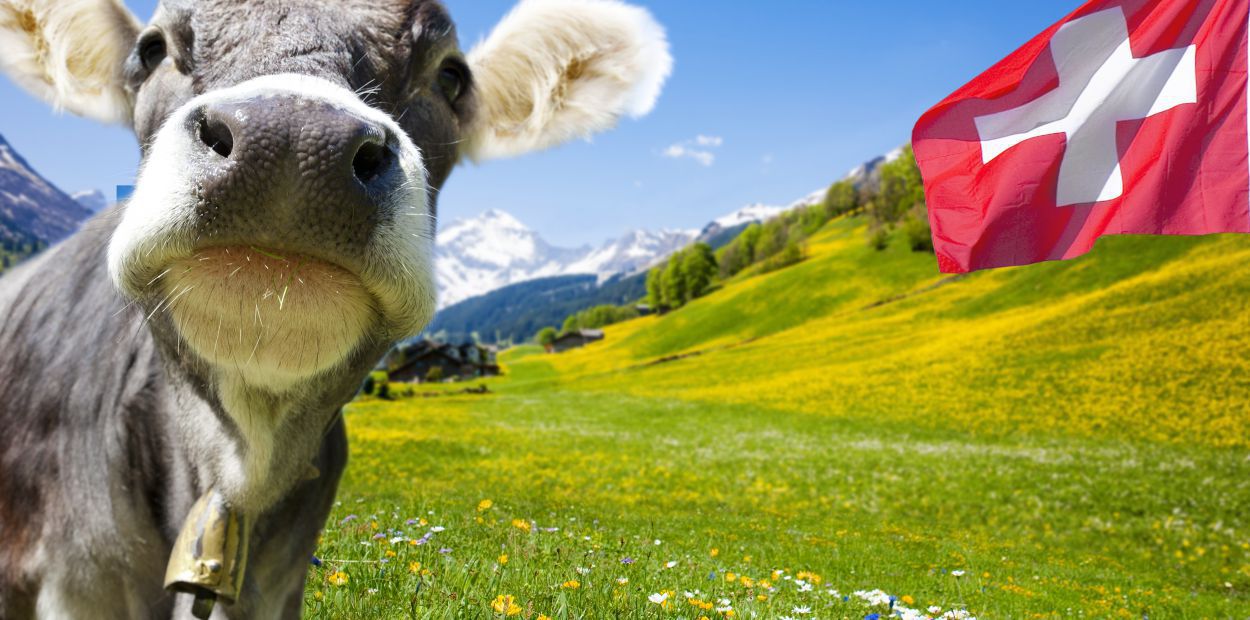
Switzerland is one of the most beautiful and interesting countries in the world. Therefore, a lot of expats move to Switzerland with their families. We have listed the ten most popular swiss cities and given you a short review of them.

Impressive scenery, good career prospects and an excellent standard of living, have long made Switzerland an attractive destination for immigrants.
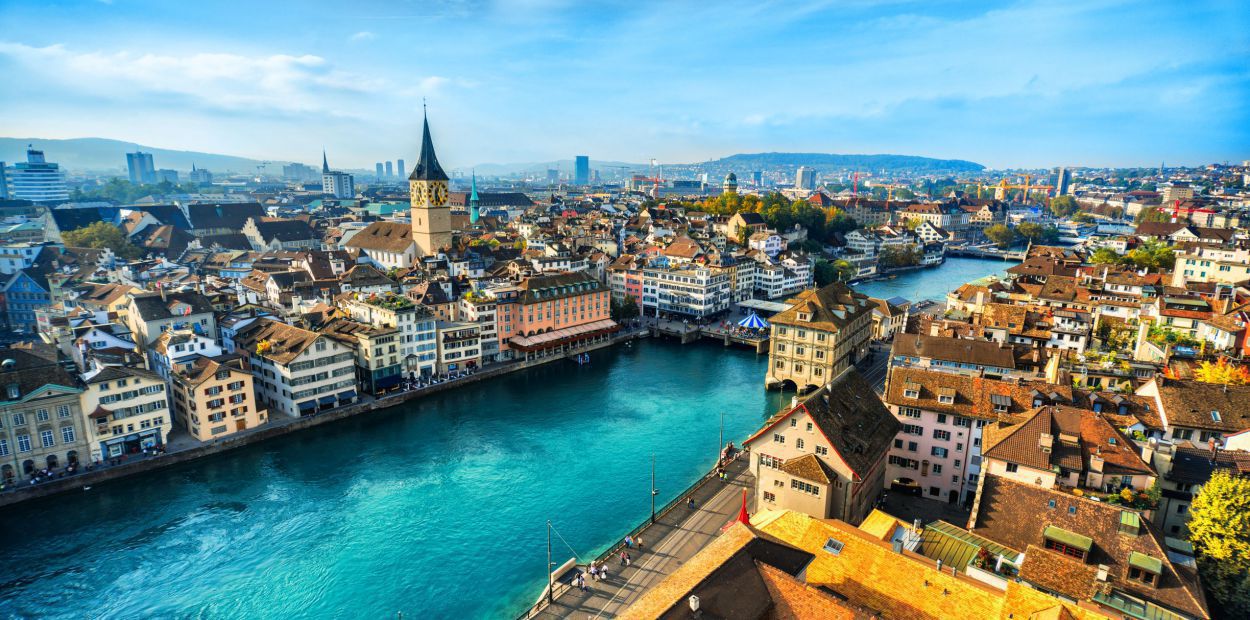
Switzerland is a great destination for expats, but every nation has its ups and downs. If you’re new to the country, or if you’re just in the process of planning your move, you should know what to expect. We’ve got the greatest advantages & disadvantages (plus how to deal with them!) about life in Switzerland laid out for you.

If you are planning to immigrate to Switzerland, you should already in advance plan where to stay.
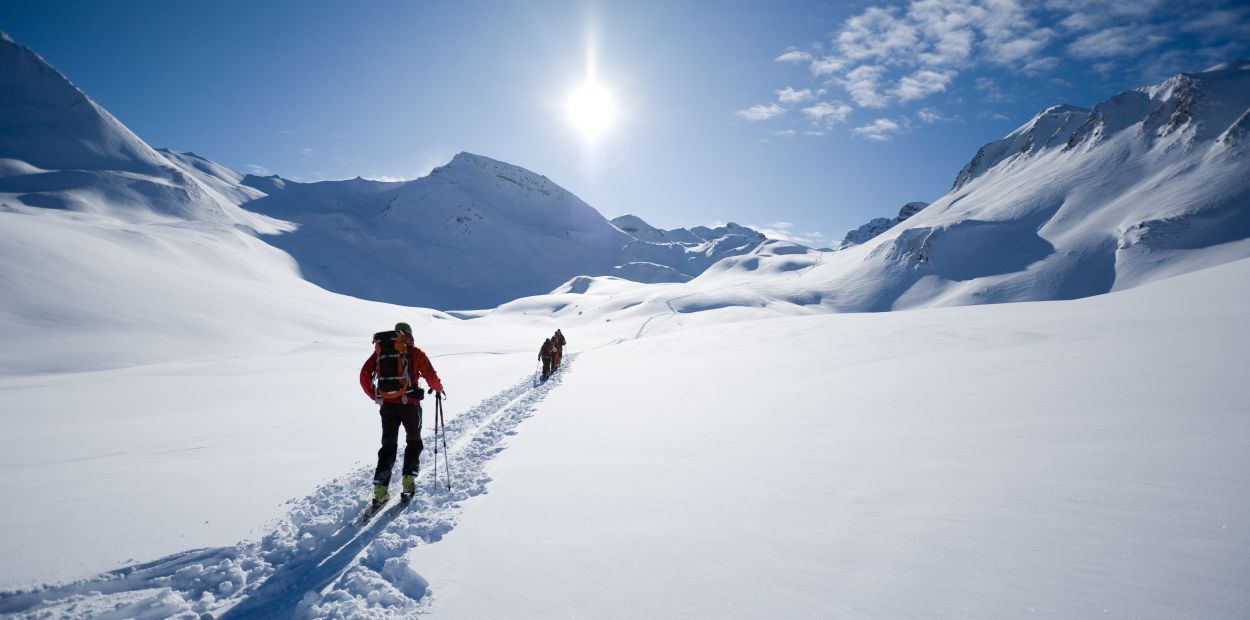
The corona situation in Switzerland is still critical. If you still don't want to miss out on some fun and sport, you'll get your money's worth when visiting ski resorts.

Switzerland is very famous for its many laws and obligations. Here are some of the most bizarre ones.
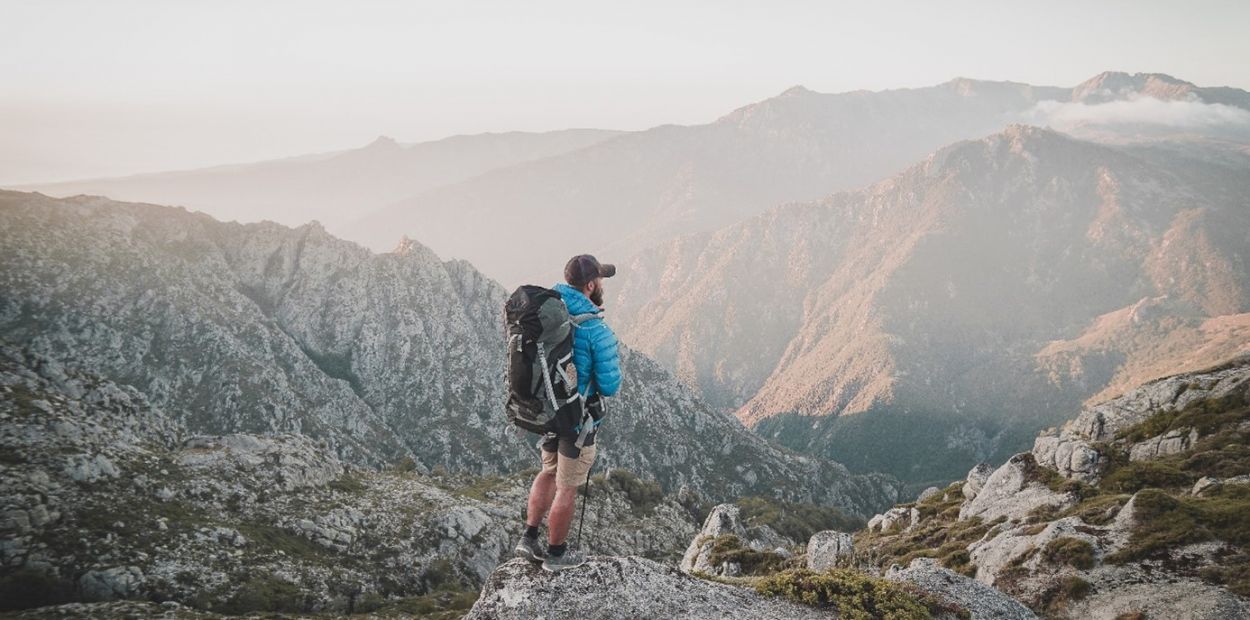
Switzerland has the longest, densest, most varied and best waymarked network of hiking trails. In so many ways a record breaker. In total in Switzerland there are 65’000 kilometers of waymarked trails at all levels of difficulties. We have gathered the most important information for hiking in Switzerland.

We have summed up for you the ten most beautiful and interesting sights in Switzerland.

Conditions, qualities and expectations vary from country to country. Therefore, it is important that you are aware and know how the dating scene works in Switzerland and what Swiss men and women value and love.

Are you moving to Switzerland with children? Then it is important for you to know how the education system works in Switzerland. Switzerland offers your children many opportunities and a high-quality education.
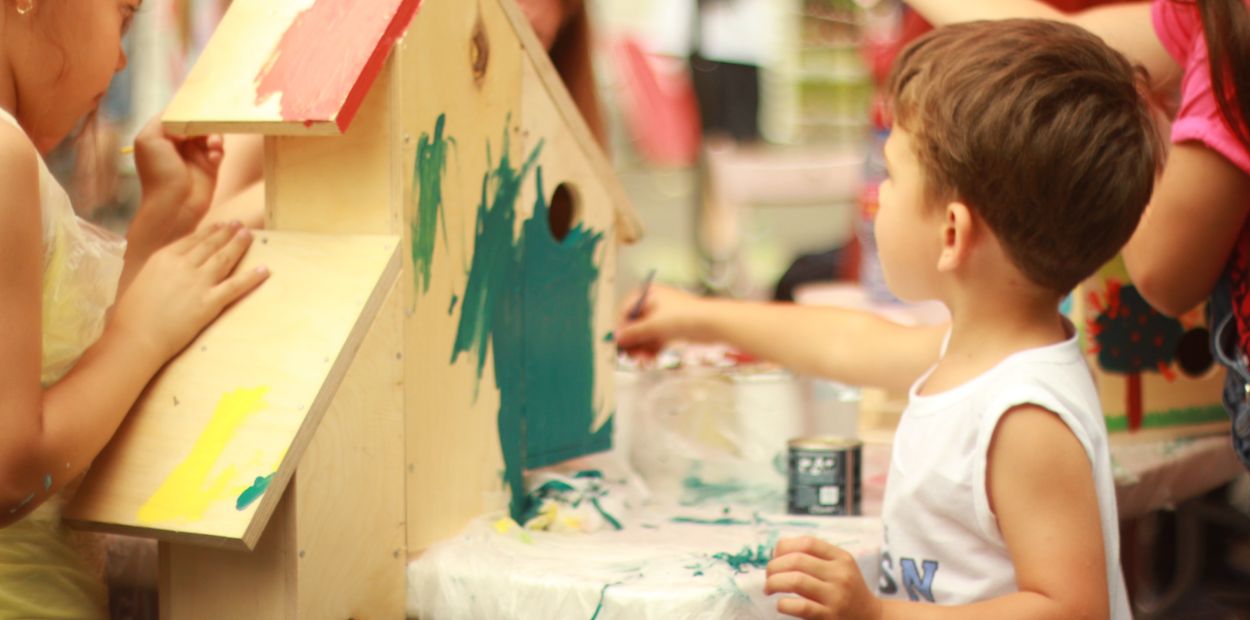
The range of childcare options in Switzerland is very diverse and wide-ranging. Find out in this article which childcare options are available for your children and which one best suits your needs.
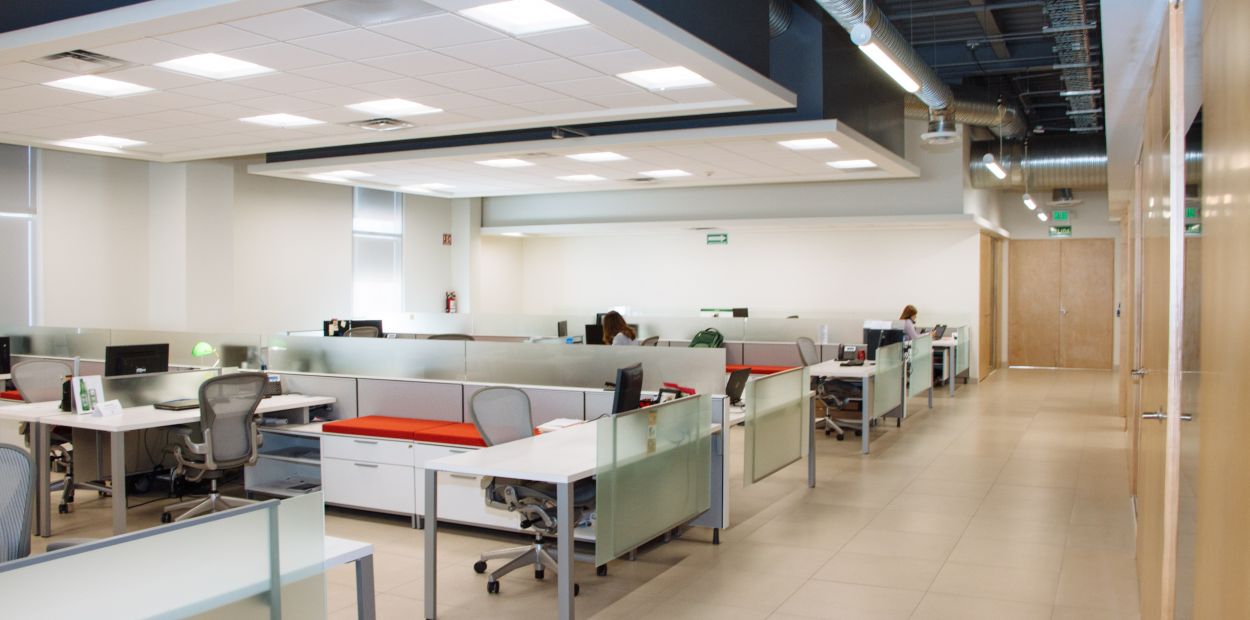
Good career opportunities, numerous further qualification possibilities and an attractive salary. These are the things that define the Swiss labour market. The world of work is stable and the unemployment rate has been low for many years, which is one of the many reasons why the Swiss labour market is one of the best in the world.
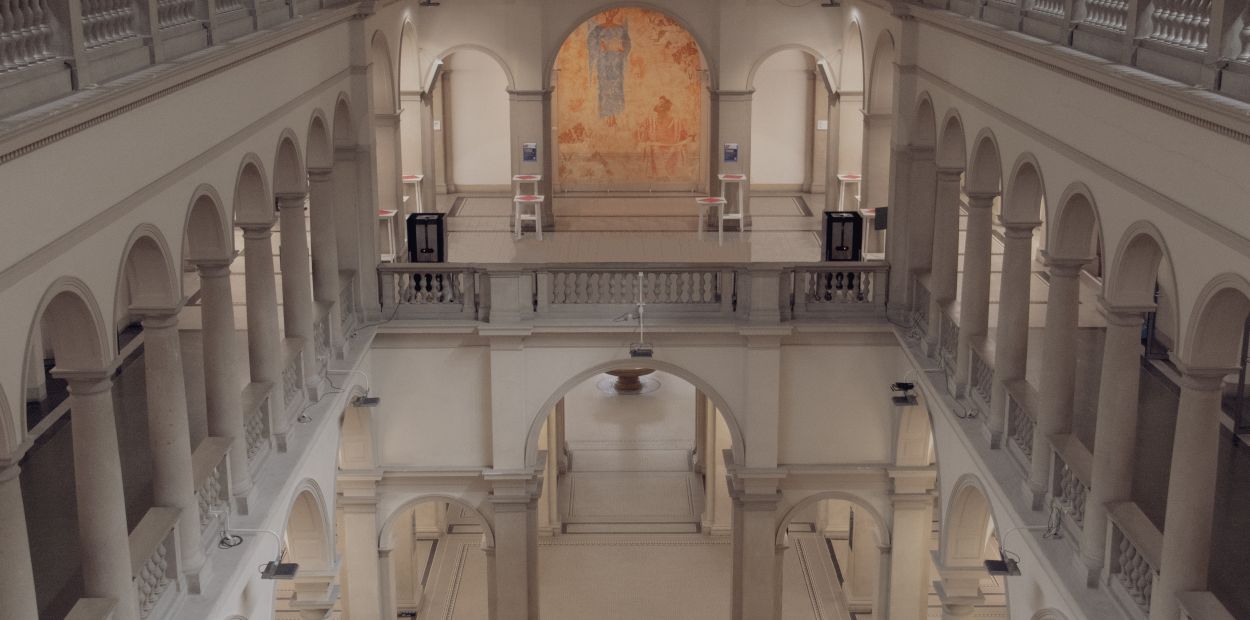
You already know that Switzerland offers very good educational opportunities and great career prospects. But did you know that the study opportunities are also just as diverse?

As you already know from our article on "How to find love in Switzerland", making new contacts in Switzerland is not that easy. But that doesn't mean it's impossible - you just have to know how. Read on to find out more!
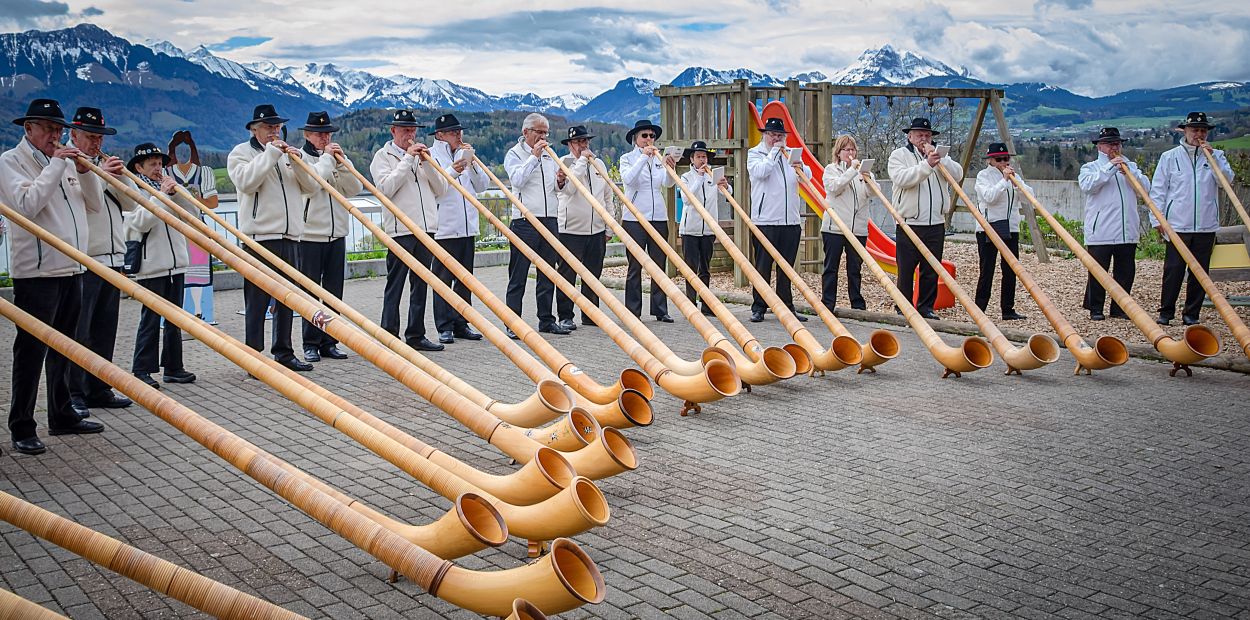
From amusing, charming to brutal traditions - Switzerland has a variety of traditions and customs to offer. Around 200 different ones are still practiced today. We are pleased to introduce you to four of the best known living Swiss traditions.
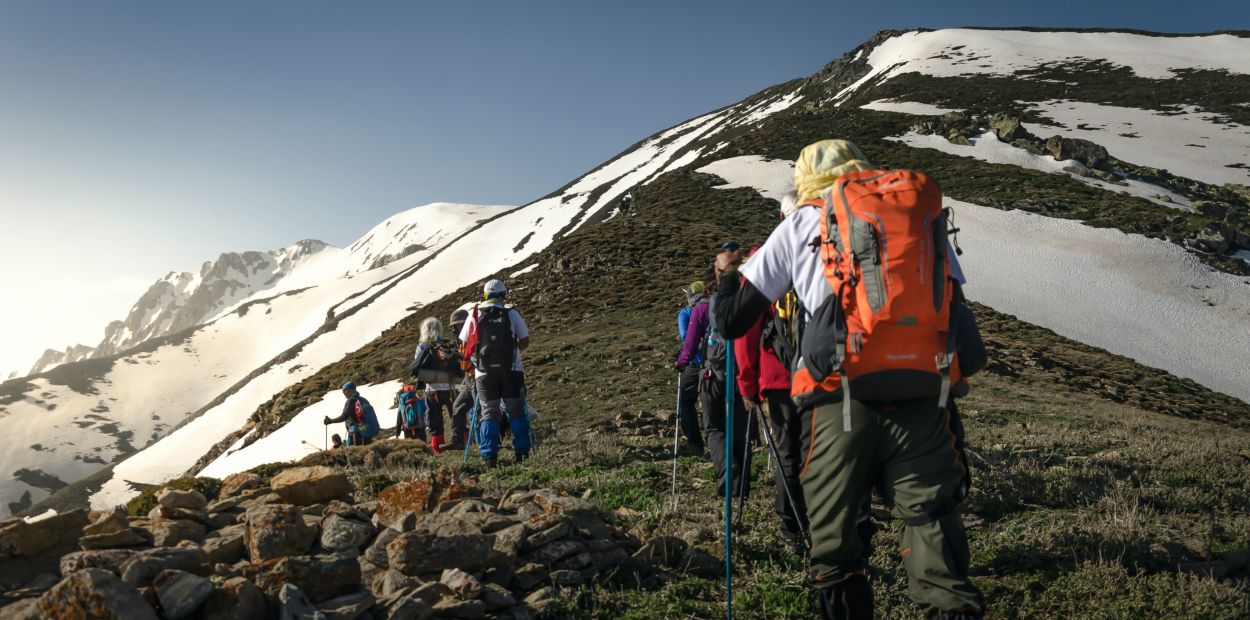
It's no secret that the Swiss work a lot - but what do they actually do on their days off or after work? Find out in this article which are the most popular Swiss hobbies.

Everyday life for newcomers can be challenging and often you don't know where to get the right support. In this article, we have compiled the most important apps that will simplify your life in Switzerland.
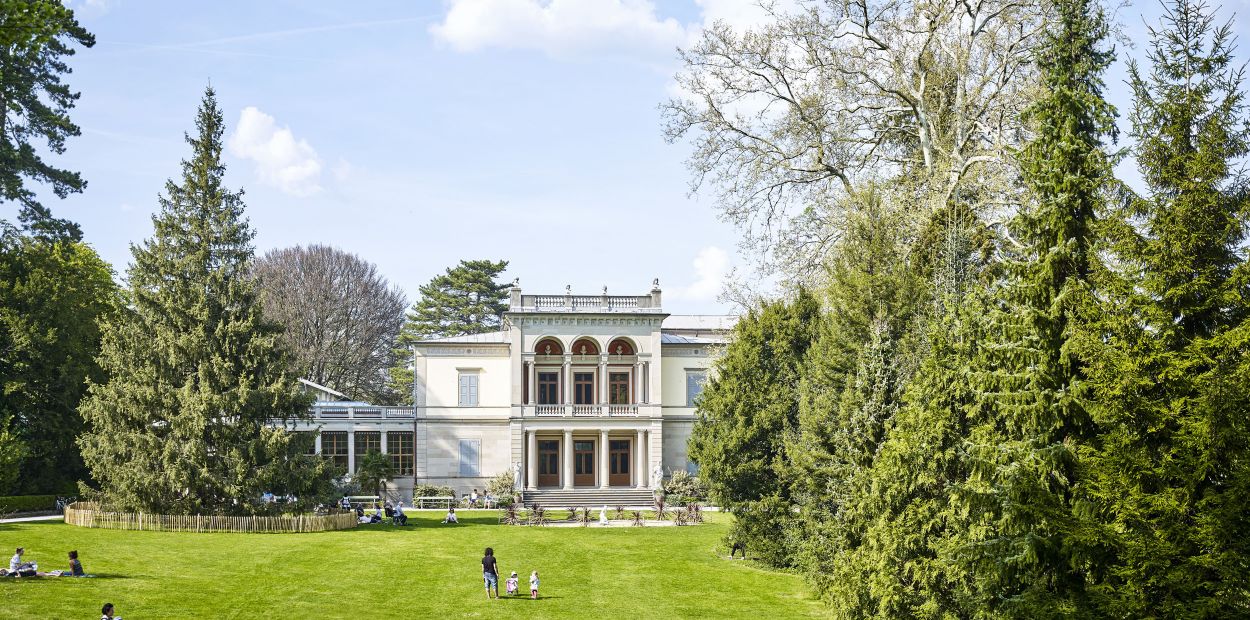
Switzerland has a wide range of leisure activities to offer. This also includes museums. Whether culture, science or art - visitors are fascinated by what Switzerland has to offer. In this article, we have selected the 10 most exciting museums for you from over 1130.

In all parts of the world, Easter is a good reason to share hope, confidence and joy with loved ones and create unforgettable moments together. But every country has different customs and traditions and so does Switzerland. In this article we will acquaint you with the most common and popular Swiss traditions during Easter time!
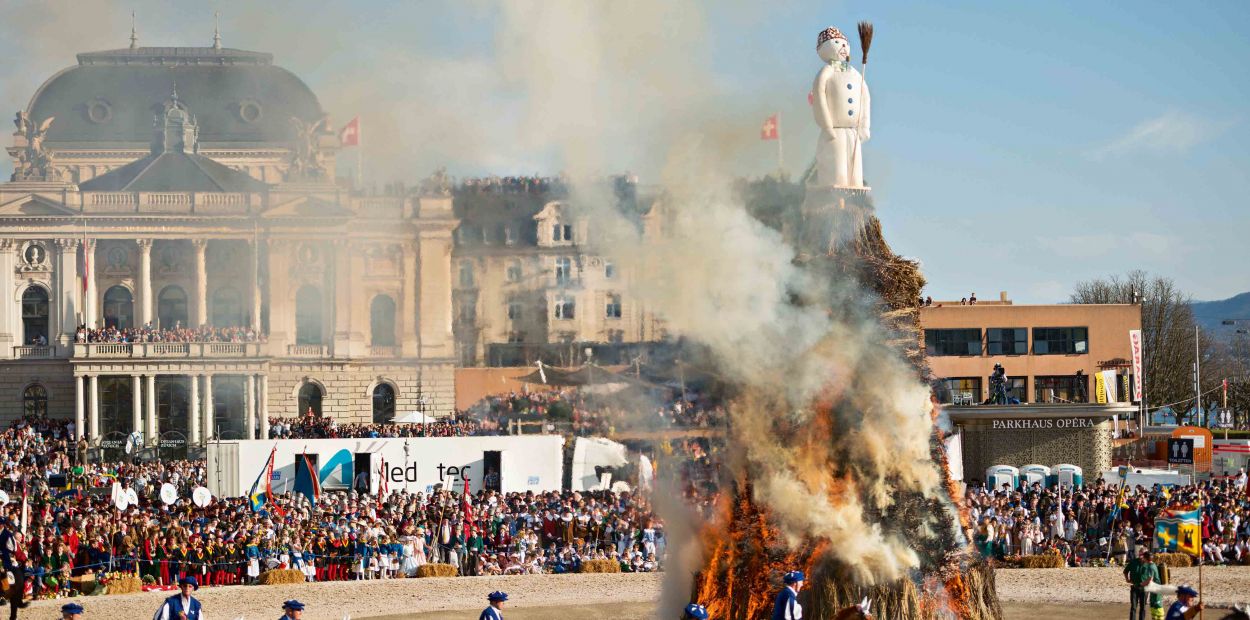
The Sechseläuten, also known as Sächsilüüte, is a spring festival in Zurich that has been held every spring in the center of Sechseläutenplatz since 1902. On April 25, the Sechseläuten took place. In this article you will learn the exciting story behind the spring festival.

Springtime - The favorite season for many people. And rightfully so. The weather is cooperating, the list of activities is endless and the anticipation for summer is huge. Want to be as active as possible this spring but don't know where to start? We have put together a list of the best activities for you to make your choice easier!

Sustainability is a topic that is becoming increasingly important and more and more people are addressing it. Whether it's reducing plastic consumption or separating garbage, everyone can make a contribution to more sustainability in their everyday lives. In this article, you will find out how you can make your everyday life more environmentally friendly.
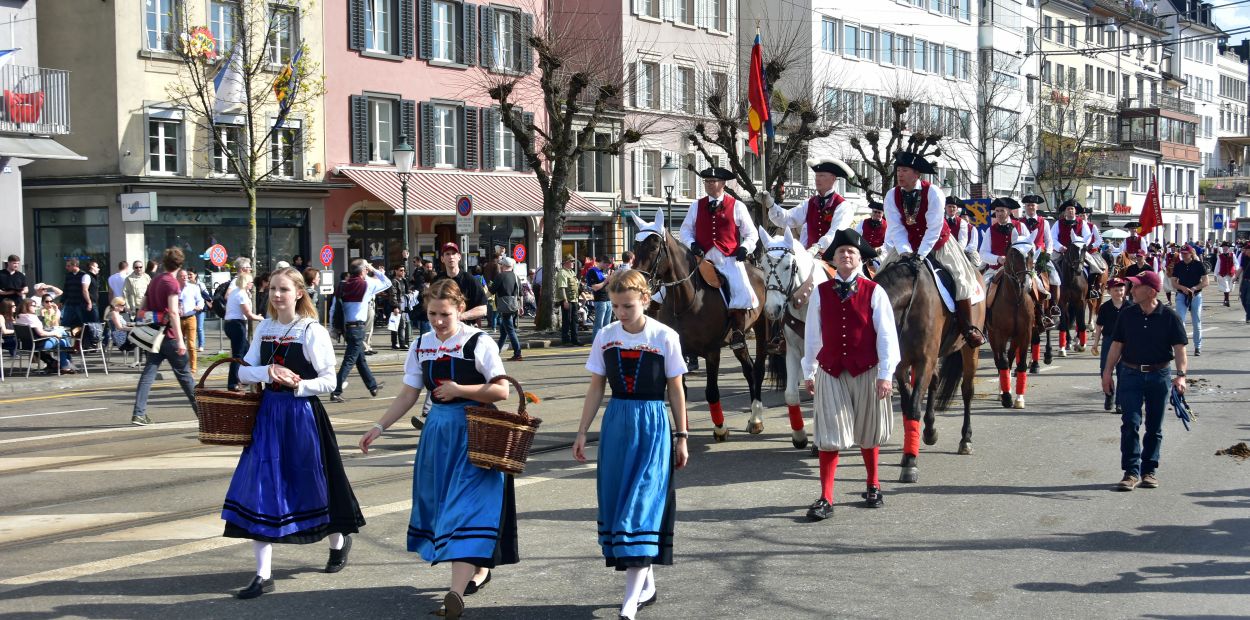
The Sechseläuten is a centuries-old tradition at the beginning of spring in Zurich. It always takes place on the third Monday in April. Besides historically costumed guild members, bands, horses, flowers, flags and the "Böögg" characterize the festival. Nowadays, the Böögg is even the main figure and symbolizes winter. He is burned on a pyre just in time for the six o'clock chimes of the Grossmünster church. And the faster his head, filled with fireworks, explodes, the more beautiful summer will be. At least that's what they say in Zurich.
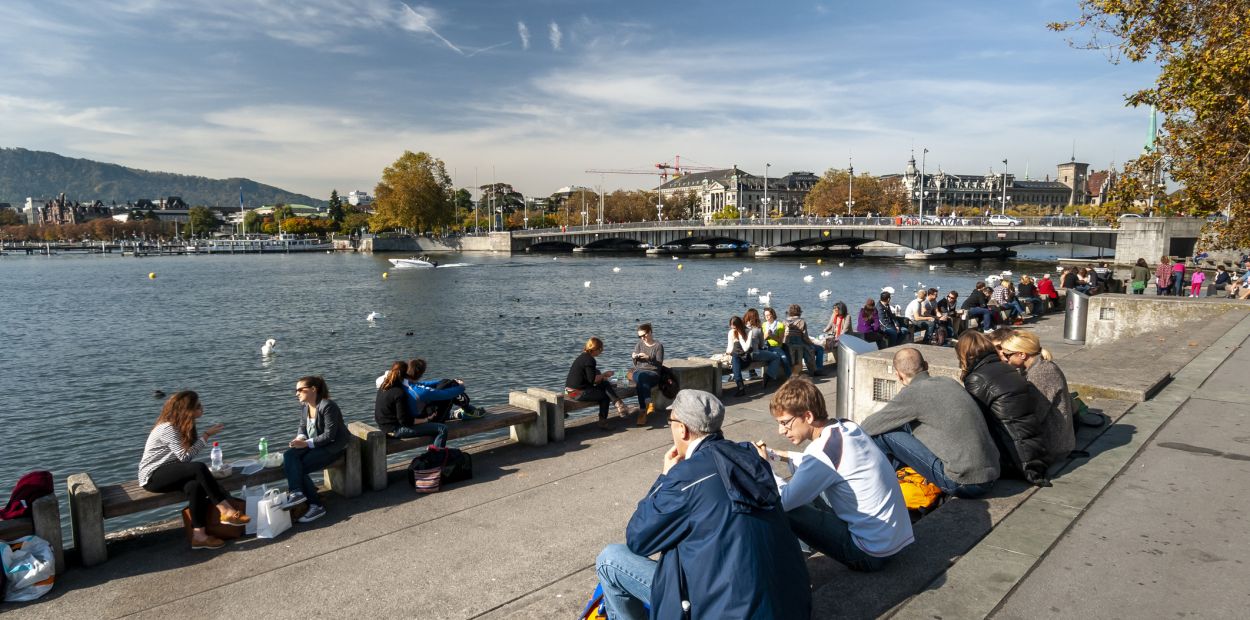
Living as an expat in Switzerland is an exciting journey full of new discoveries and experiences, but it also comes with numerous laws and regulations to adhere to. Switzerland takes fines seriously – violations of the many local regulations are quickly punished with fines. Here's how you can avoid unpleasant surprises and integrate smoothly.
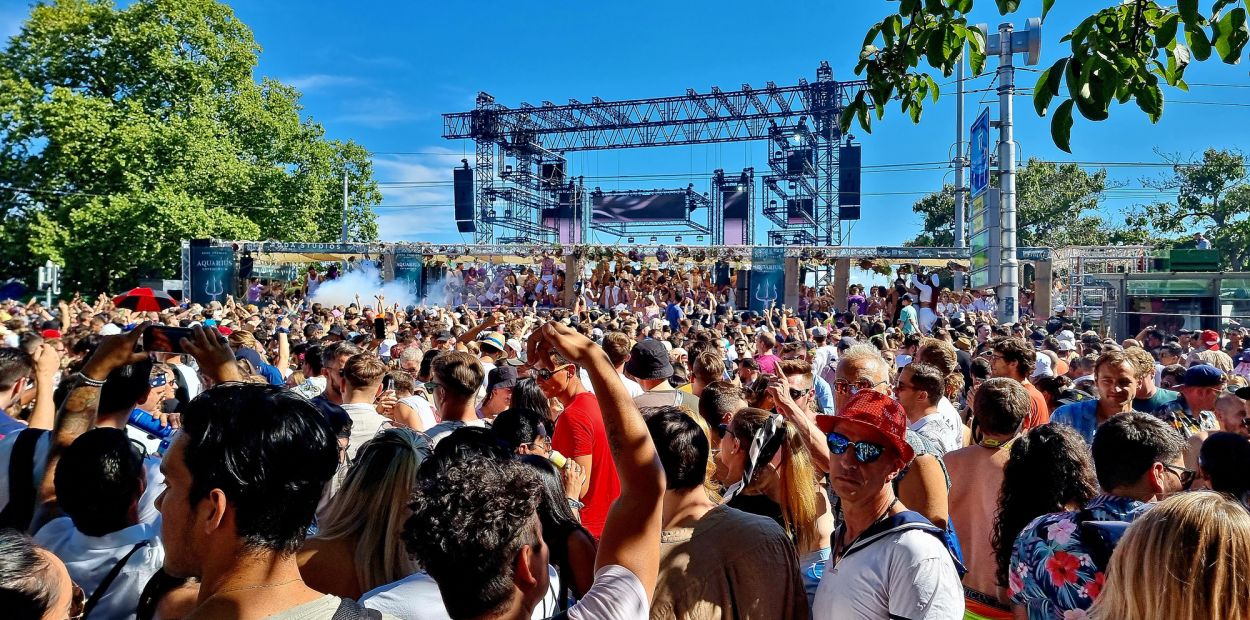
The Street Parade is back in Zurich! If you’re new in Switzerland, you don’t want to miss this legendary occasion on Saturday, the 10th of August 2024. Here’s everything you need to know about the world’s largest techno-party (including our own special recommendation for the after-party)!

Switzerland is an expensive country, and it has not escaped the cost-of-living crisis unscathed. While the current economic situation for the average Swiss worker is still relatively stable, many people find themselves having to ‘tighten the belt’. Projections for the lower-to middle class are bleak, and newcomers to Switzerland are especially at risk.
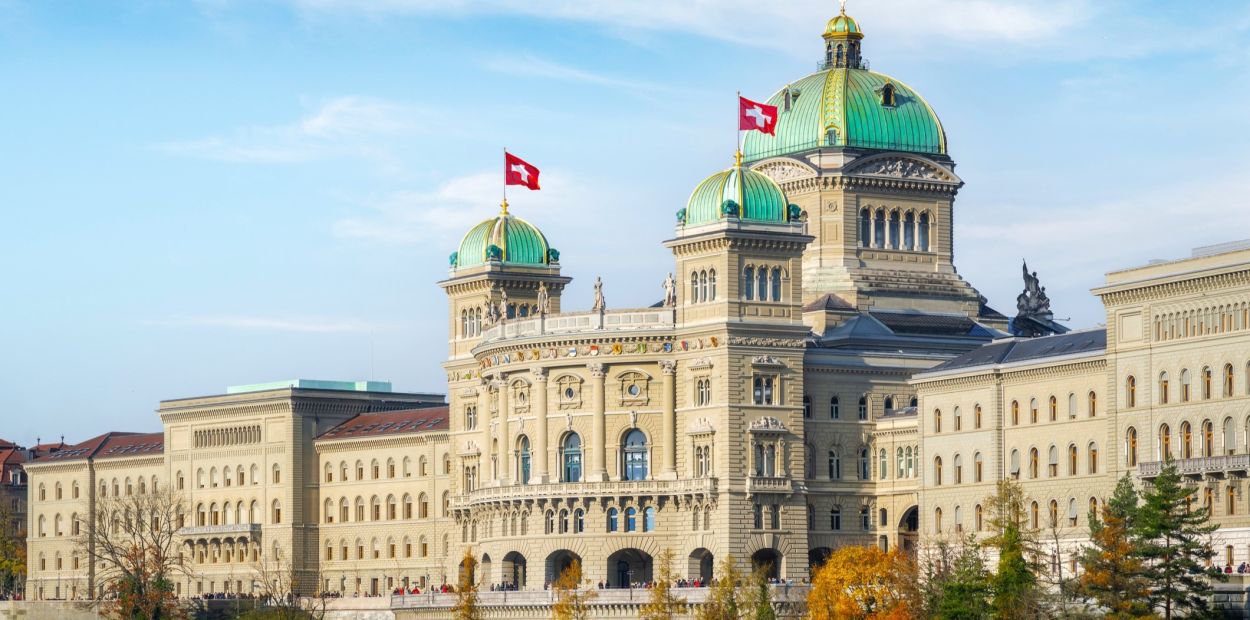
James N., originally from the UK, has lived in Switzerland for the last 30 years. His professional career has led him to work in radio and in banking. In 2023, James was encouraged to apply for Swiss citizenship through the simplified naturalization process, as he was married to a Swiss national and had lived in the country long enough.
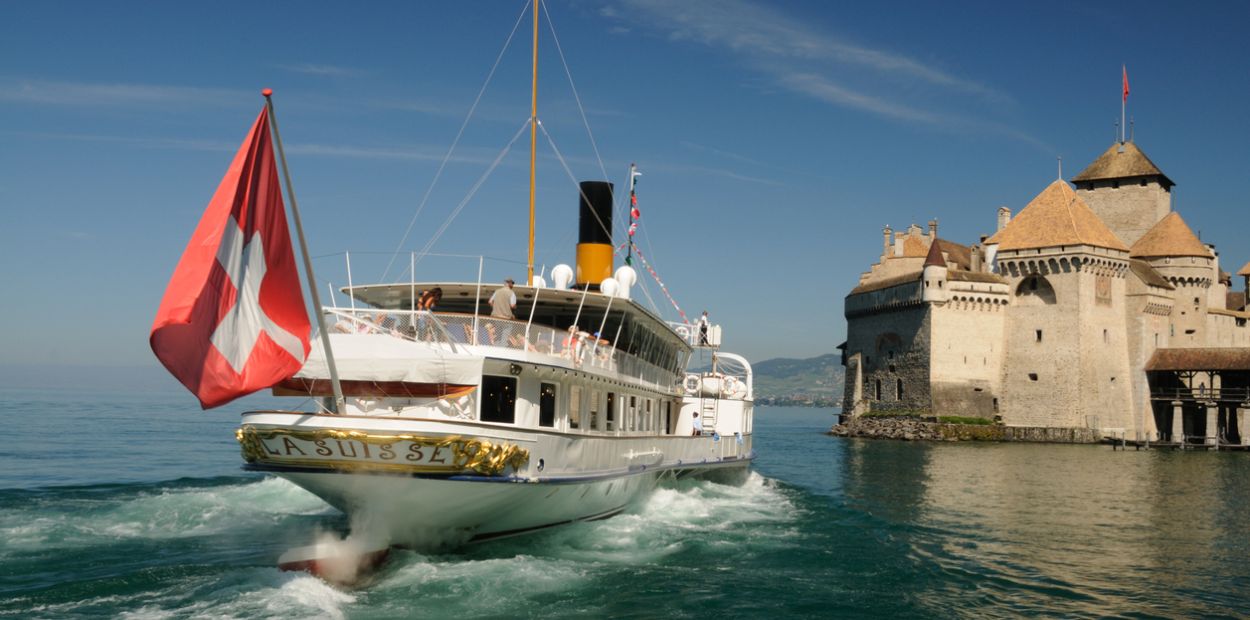
Already past the move and wondering how to actually build a life here, not just survive the paperwork? This guide covers what genuinely helps, from joining a Verein instead of waiting for spontaneous friendships, to knowing that 144 reaches the ambulance nationwide, to when Säule 3a contributions actually start paying off. Expat Services Switzerland stays involved well past your first year, handling health insurance changes and pension questions as your life here evolves.